


The Azores - 9 Islands, Volcanic Calderas, Lagoons and Atlantic Coastline
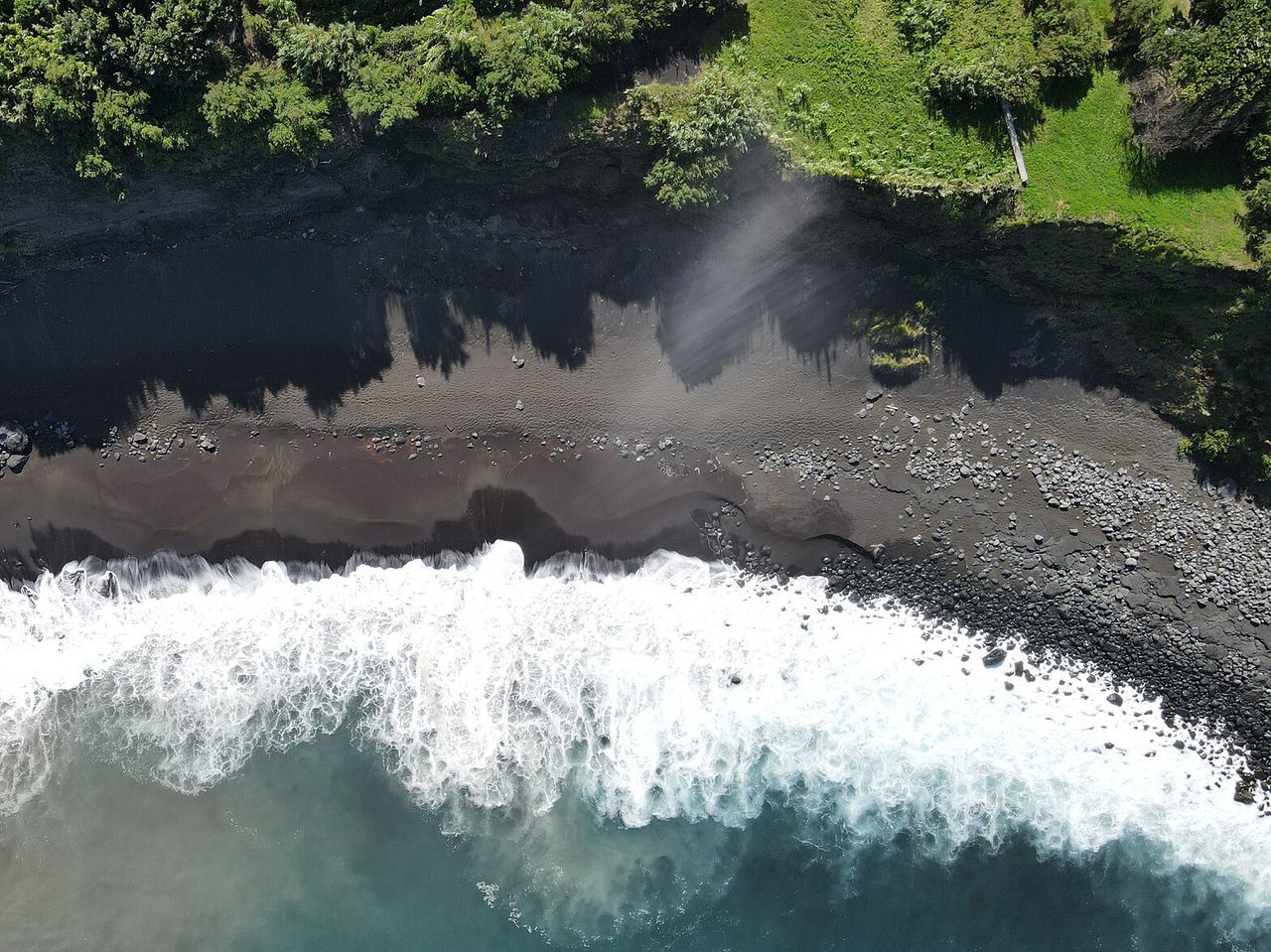
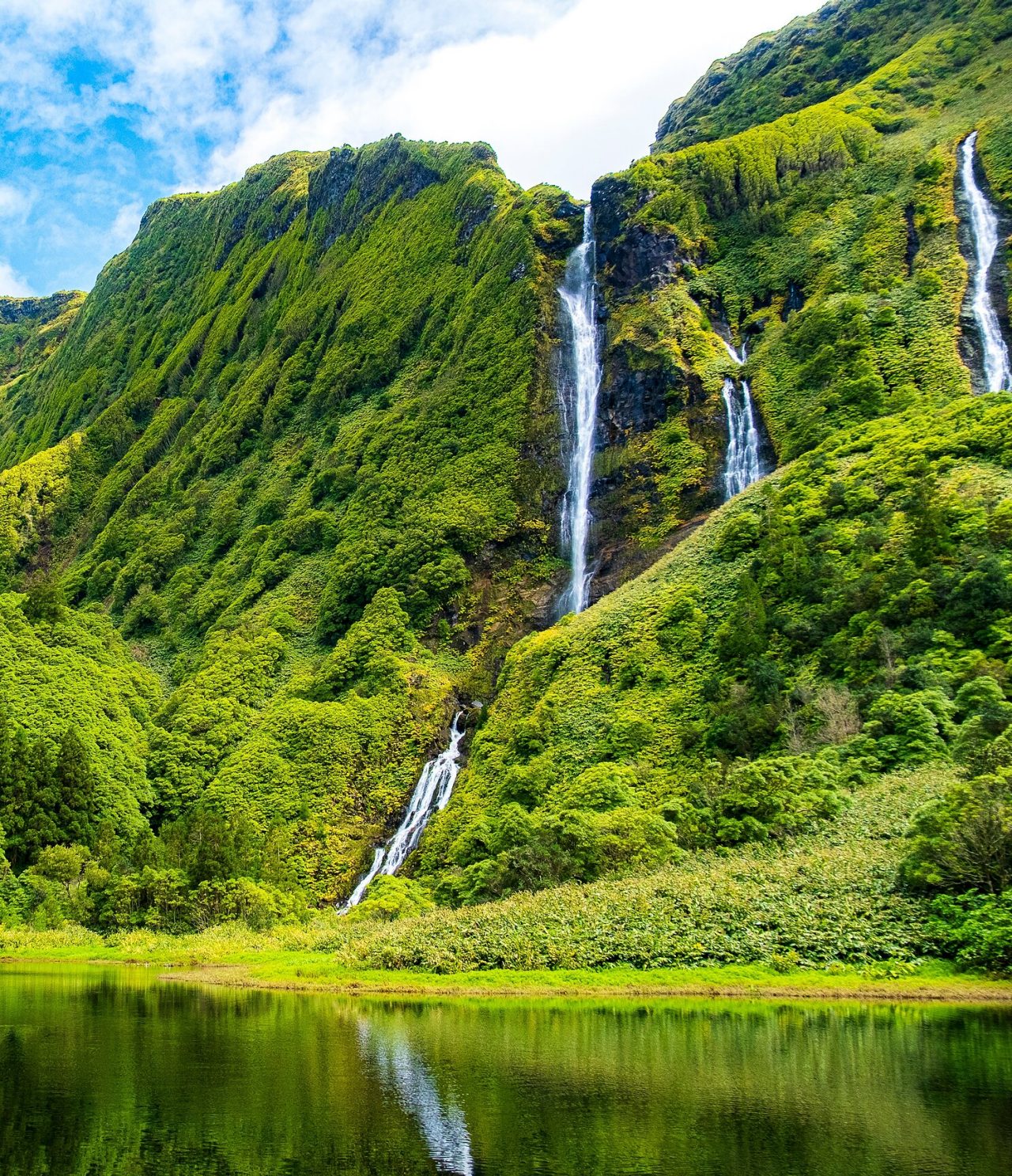
Dark sand beaches and warm sea, hot springs in the midst of lush forests, stunning lagoons and waterfalls, magnificent green and volcanic landscapes, cuisine with a taste of the countryside and the sea... you'll find all this and much more on the islands of the Azores.
When to Visit the Azores - Temperate Climate and Whale Watching Year-Round
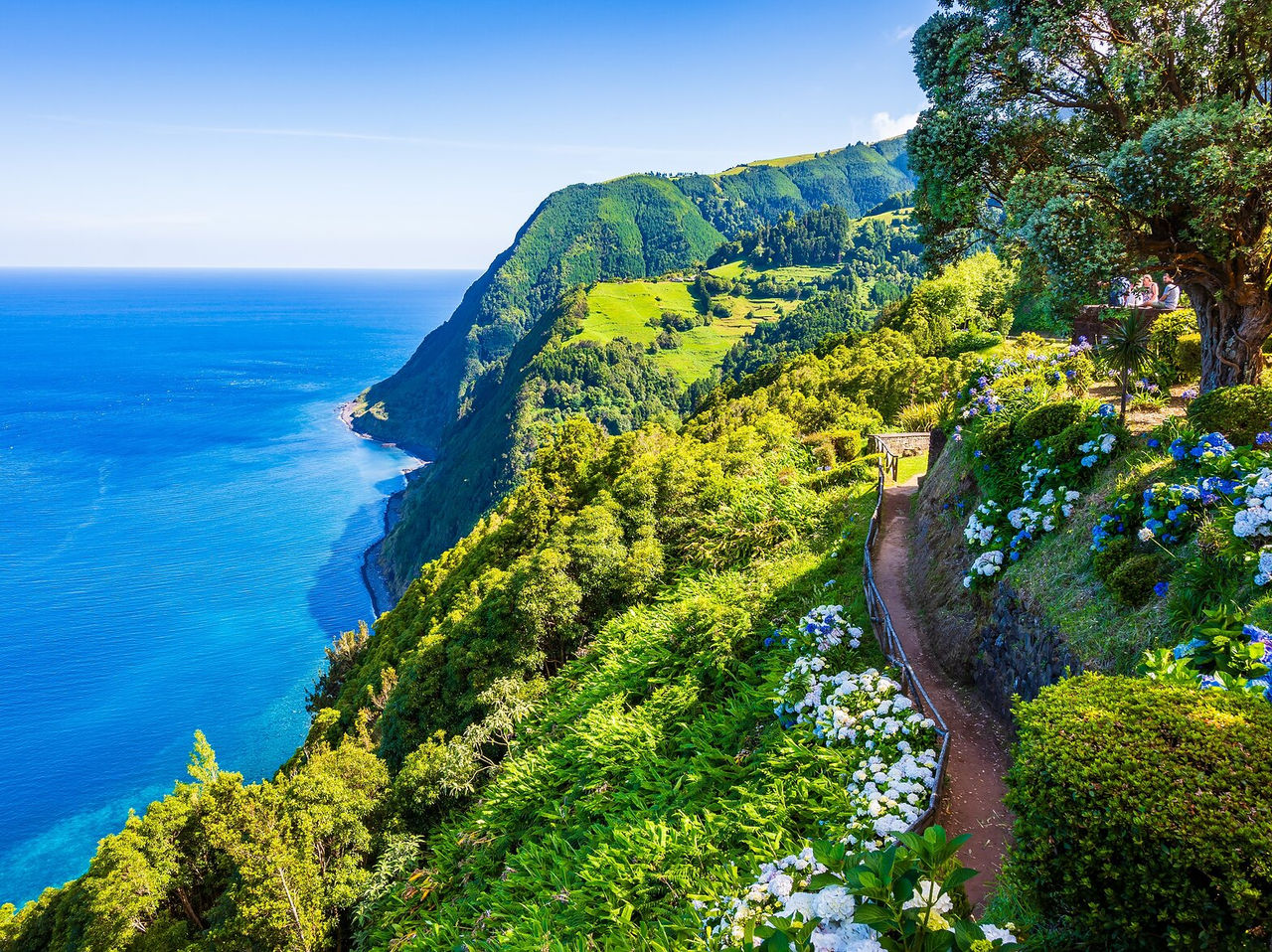
Each season offers a unique experience in the Azores. In spring and summer, nature blooms in all its glory and the green landscapes are tinged with the bright blue of flowering hydrangeas, creating an incredible spectacle. These are the best times for whale and dolphin watching, hiking outdoors and enjoying the beaches. In autumn and winter, the islands are perfectly peaceful, ideal for relaxing in the hot springs and marvelling at the archipelago´s idyllic scenery.
How to Get to the Azores - Direct Flights to Ponta Delgada from Lisbon and Europe
The best way to travel to the Azores is by air. There are direct flights from several cities in Europe and the USA to Ponta Delgada Airport on the island of São Miguel. You can also choose to fly to Terceira or Faial Airport, although they have fewer connections. In addition, the different islands are connected by domestic flights and ferries.

Azores Cuisine - Furnas Stew, Terceira Alcatra and São Jorge Cheese
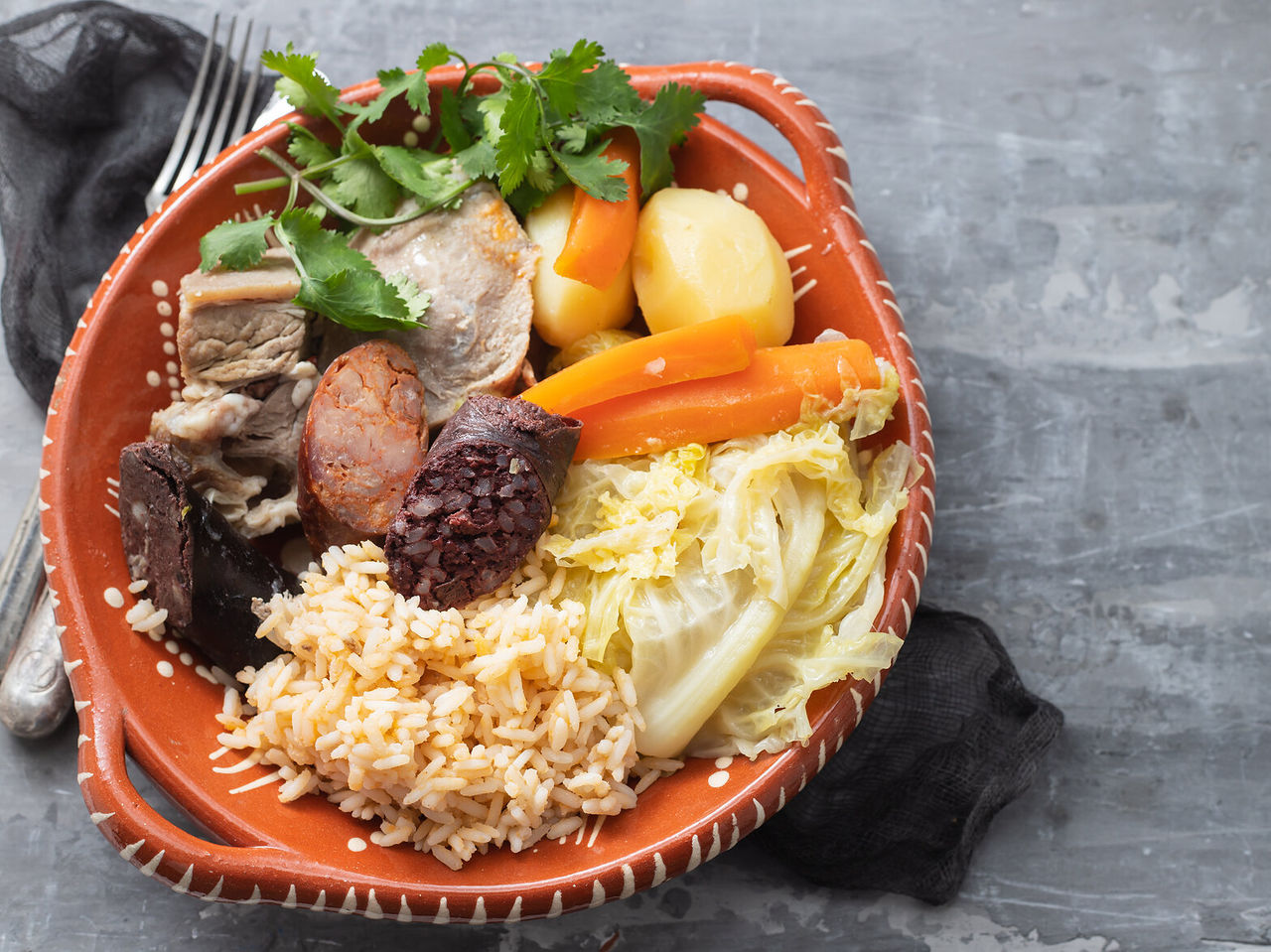
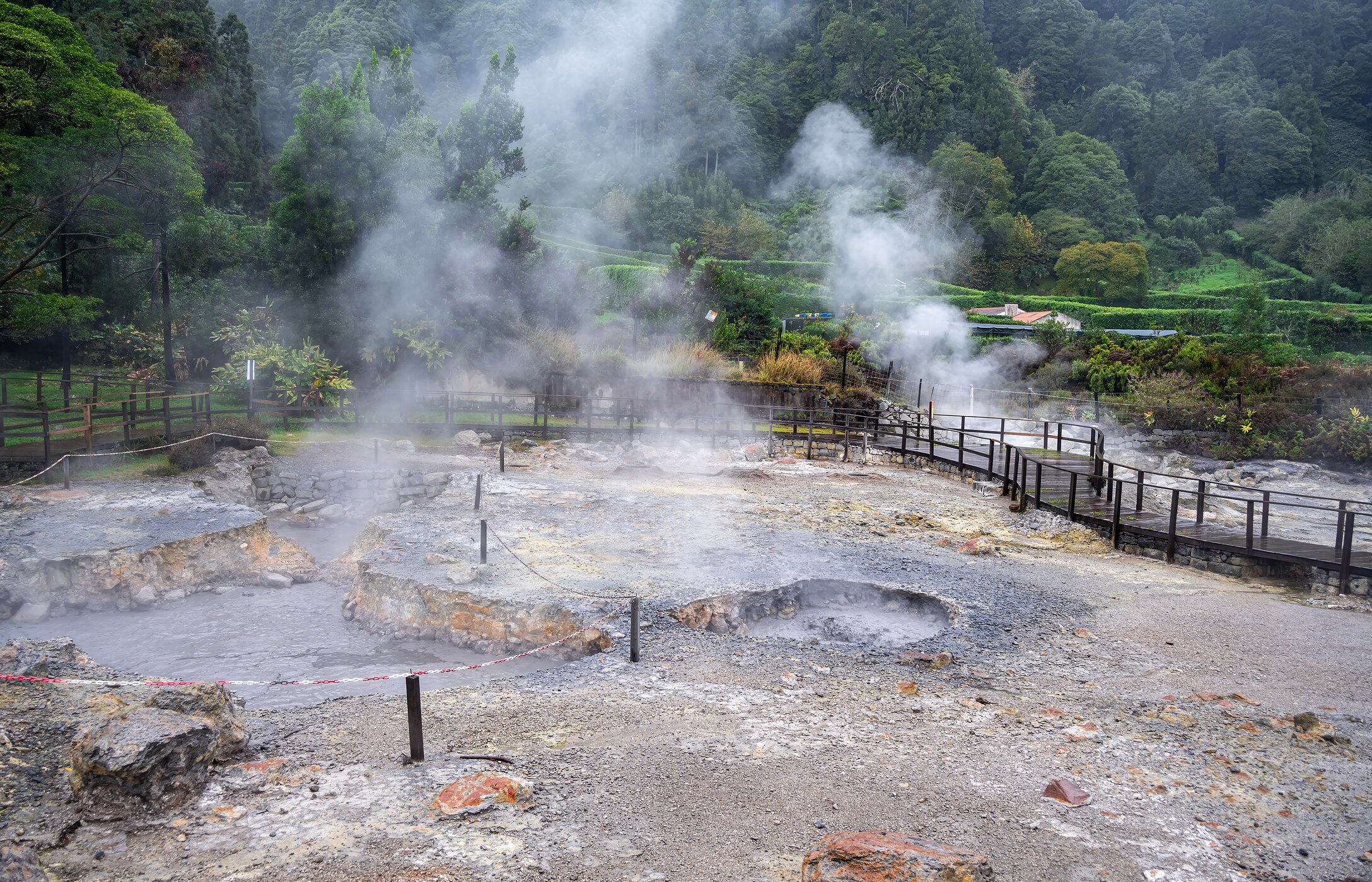
The cuisine of the Azores is absolutely delightful, highlighted by the flavours and ingredients that combine both land and sea. Try Terceira-style rump steak, bolo lêvedo (muffins) and Furnas meat stew, slow-cooked underground from the heat of volcanic calderas. Indulge in the fish stew and delight in the freshness of the seafood. Try the different homemade cheeses, including those produced on the islands of São Jorge and Graciosa. As for drinks, you must try the excellent wines from the island of Pico. There are also plenty of options for dessert, such as the delicious cheesecakes and the vast assortment of sweets made from pineapple and passion fruit.
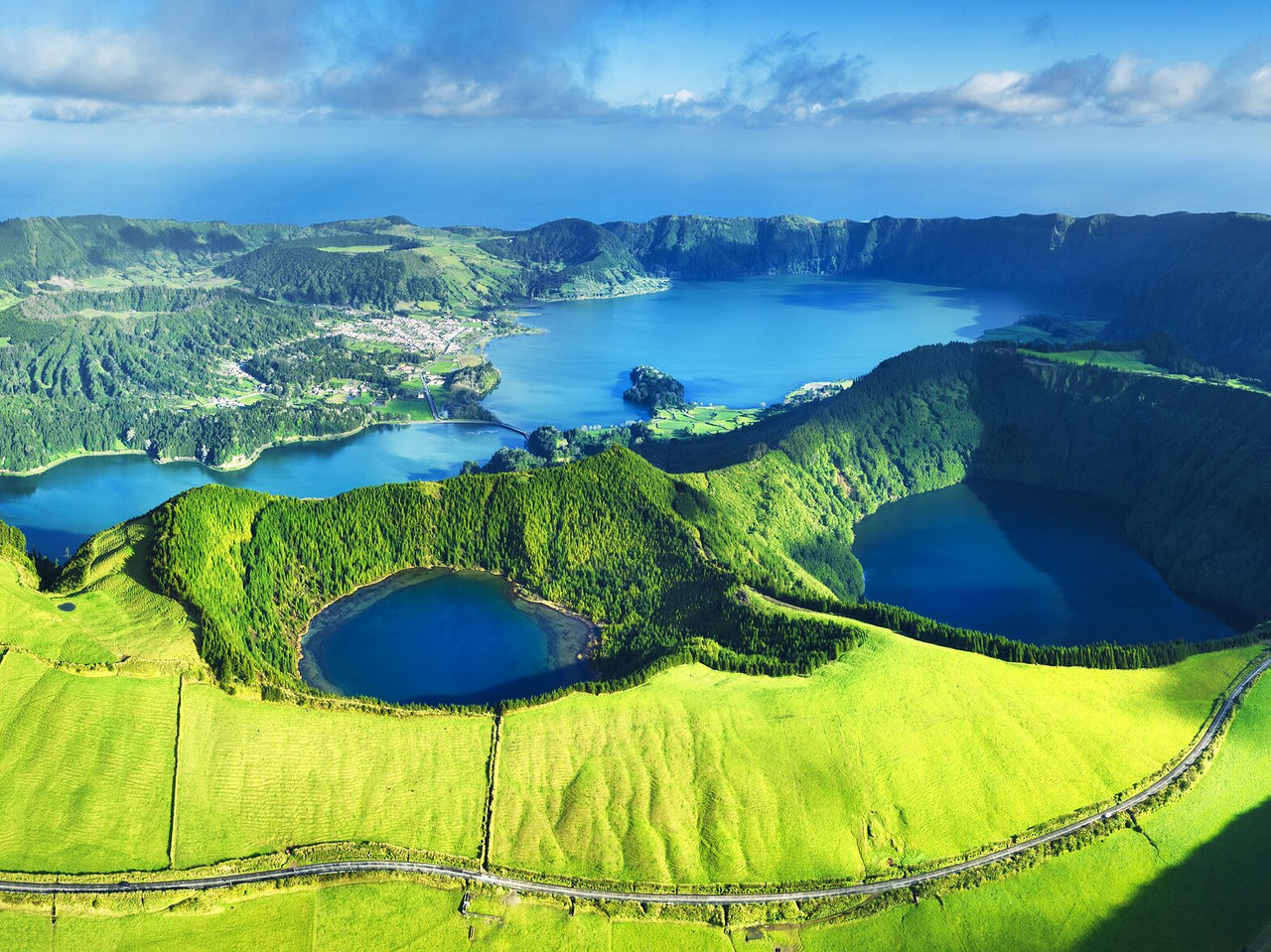
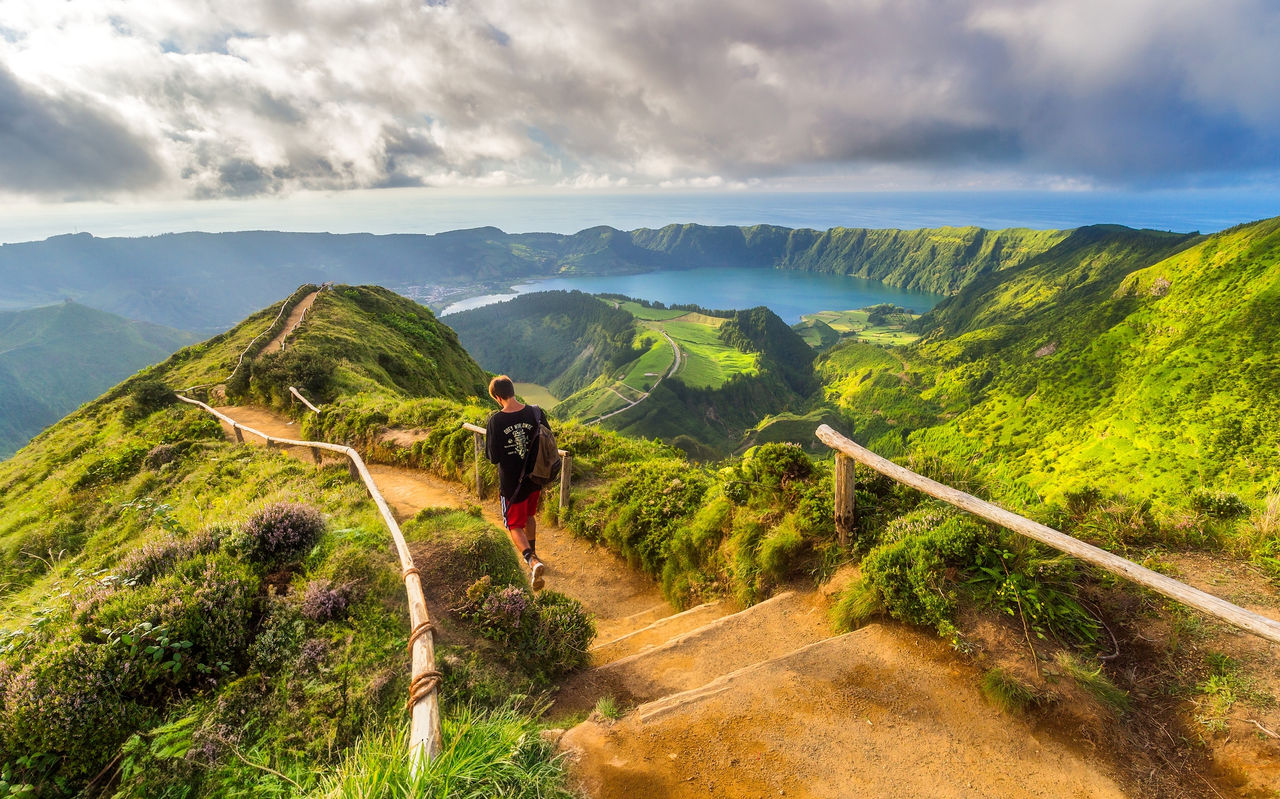
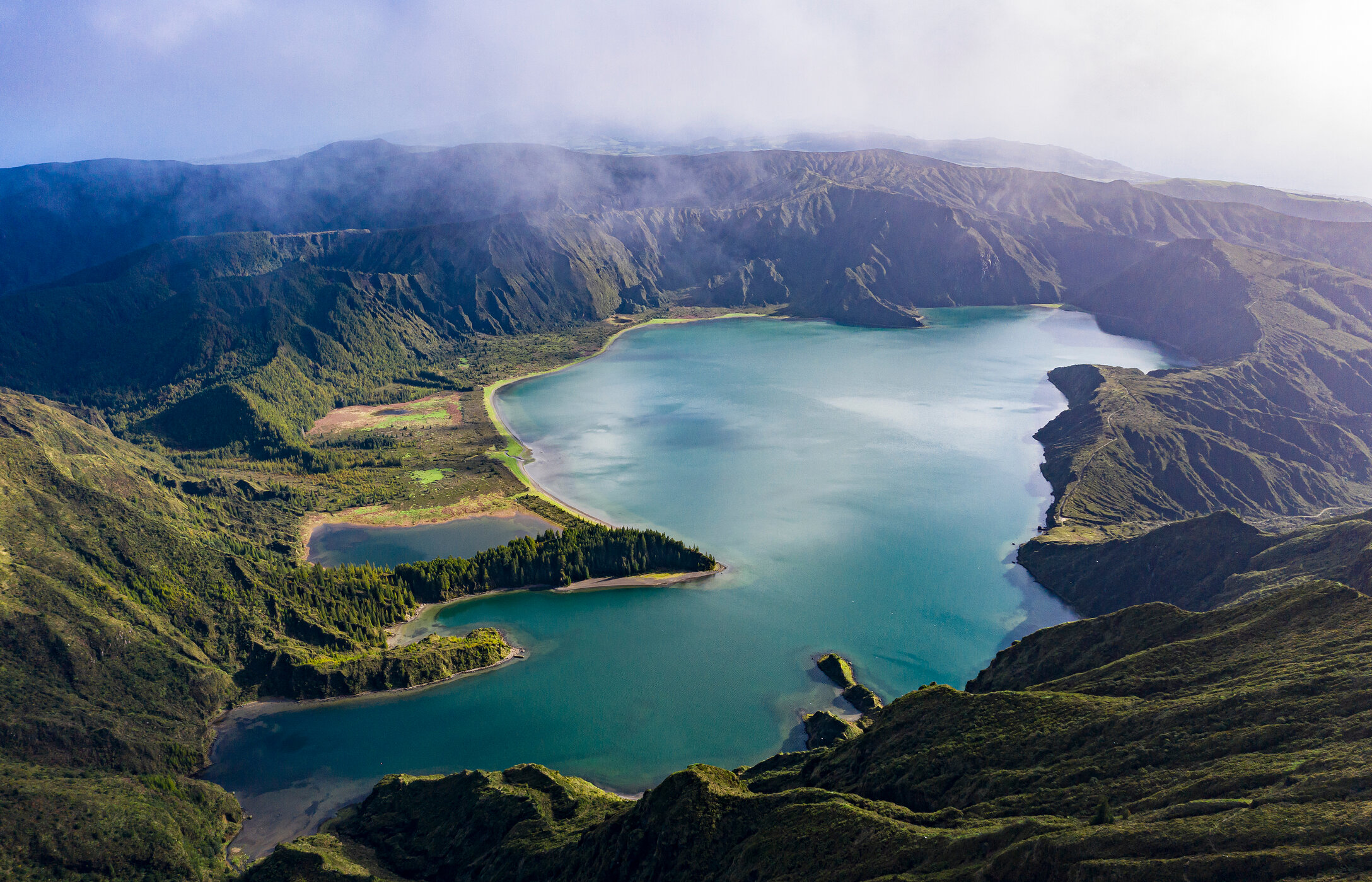
Sete Cidades and Lagoa do Fogo - Volcanic Landscapes of São Miguel Island
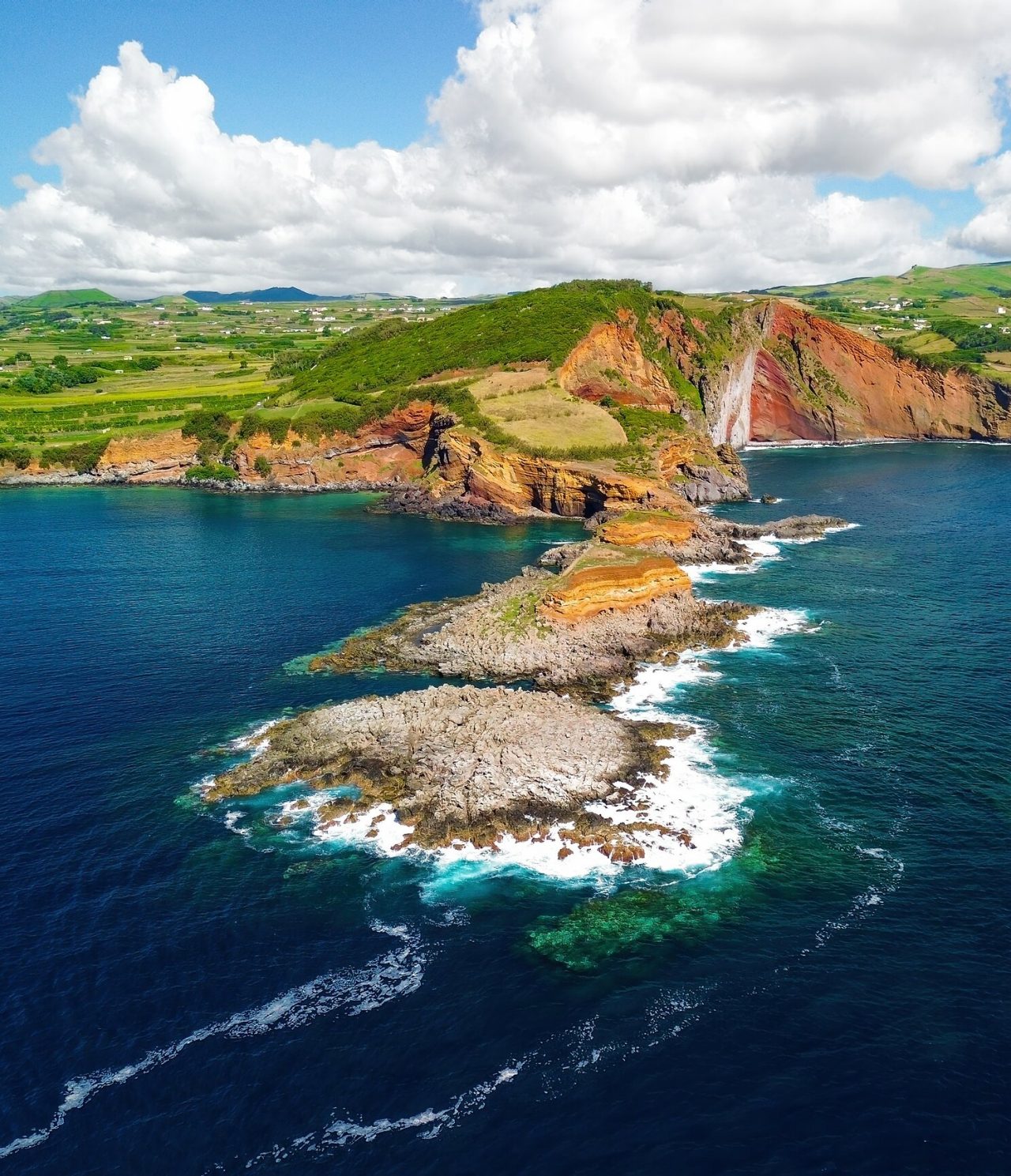
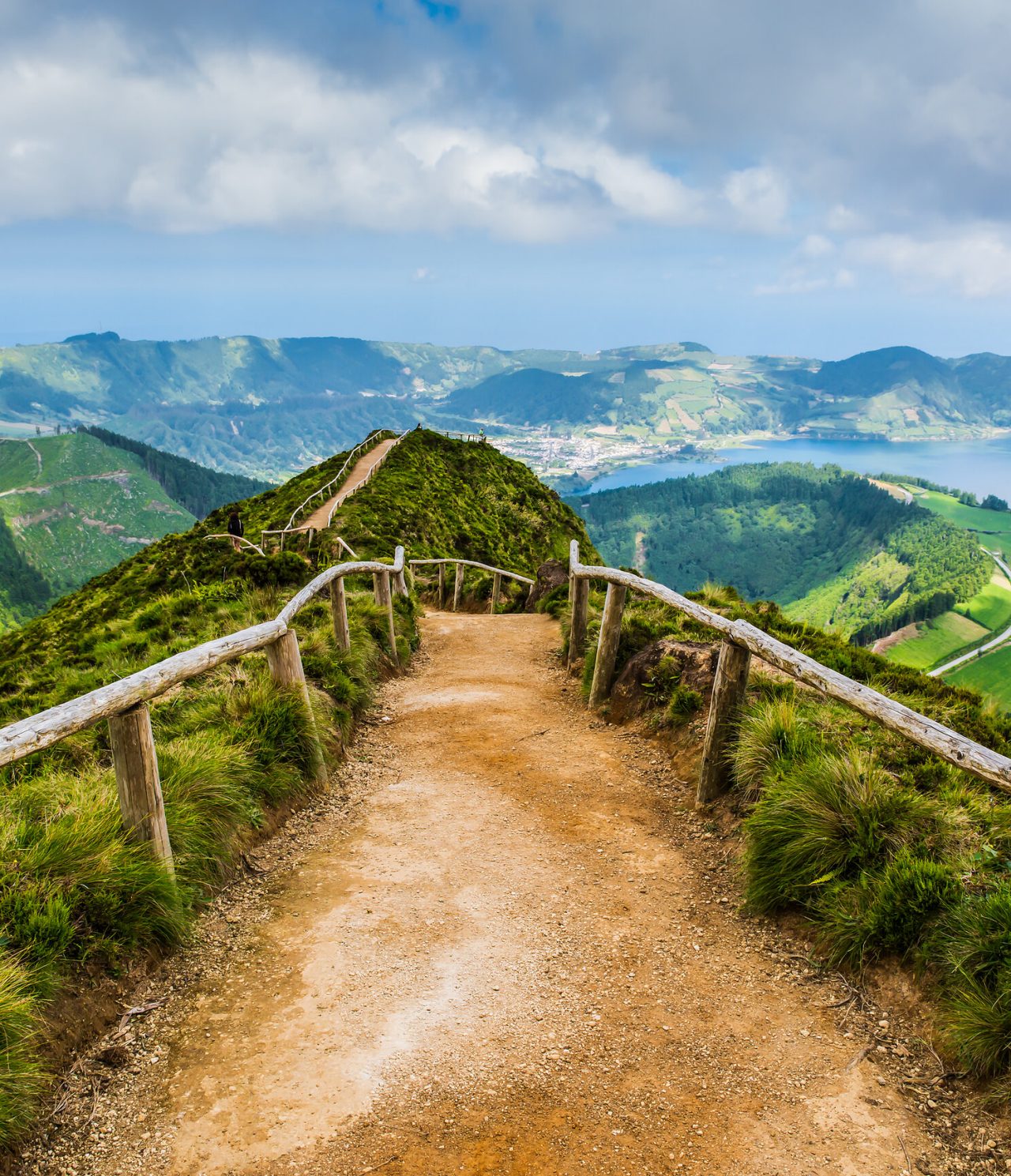
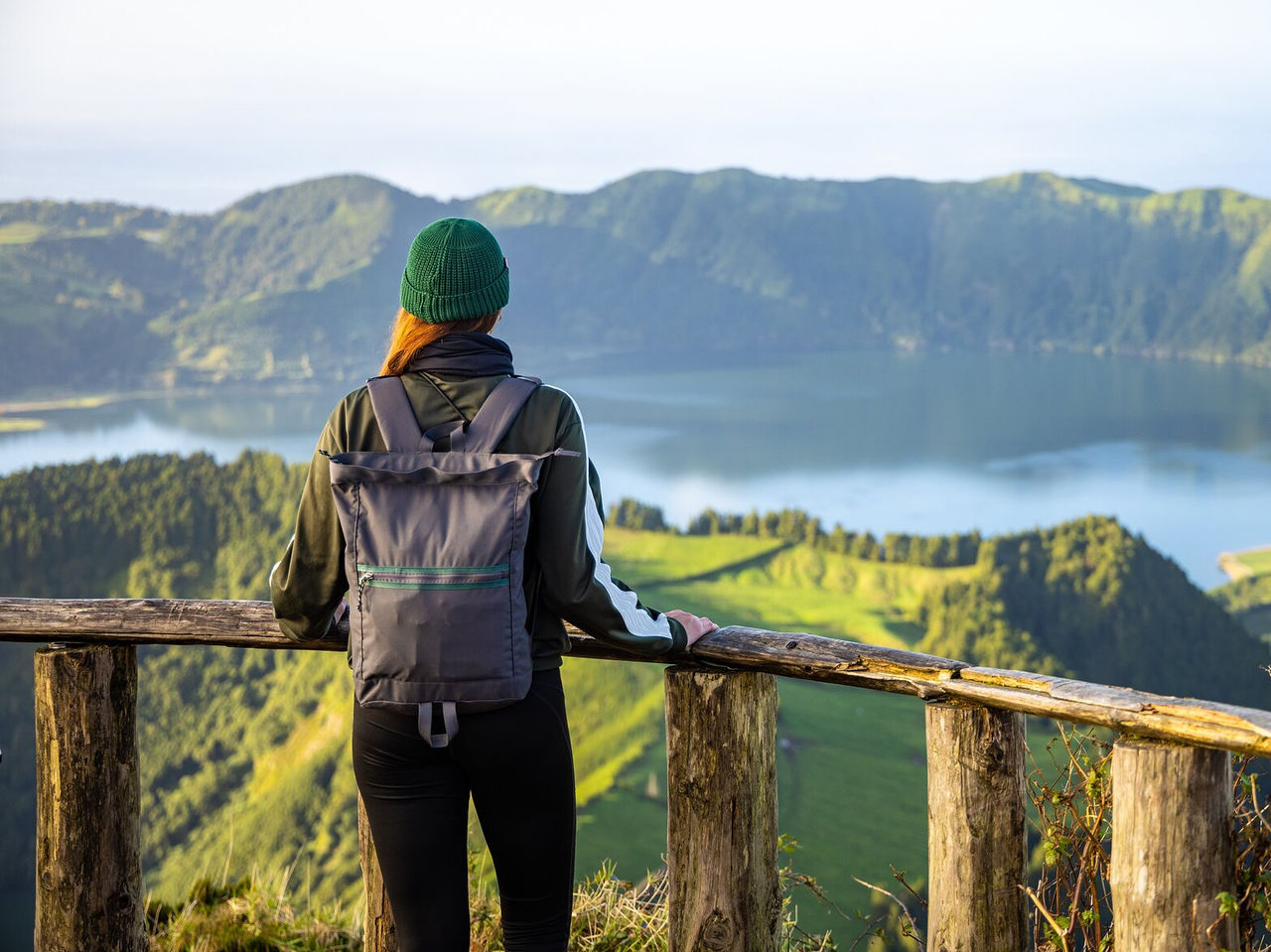
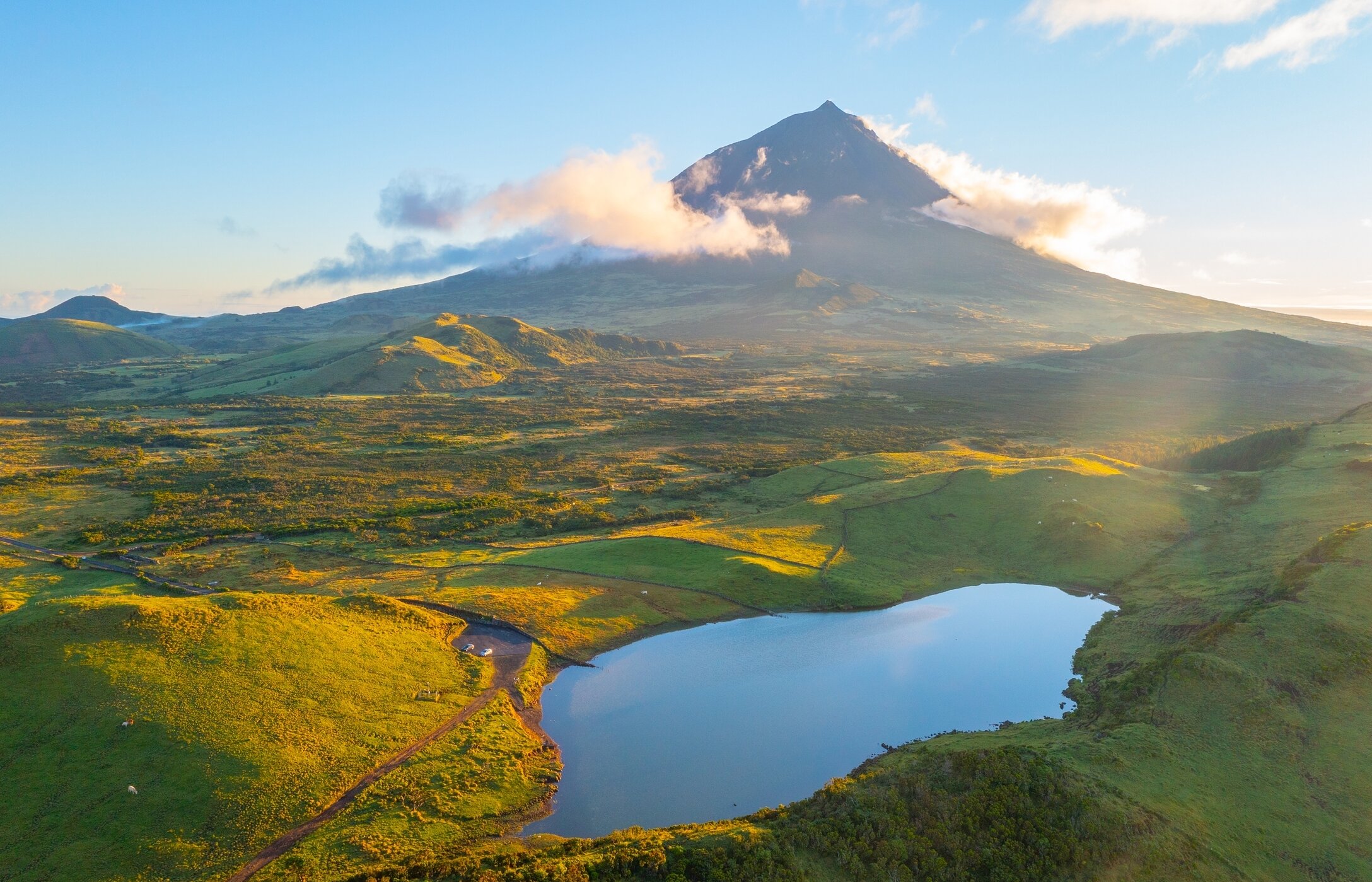
The Azores are an idyllic piece of nature abounding with stunning landscapes. Explore volcanic craters that have turned into serene lakes surrounded by lush vegetation, such as the Sete Cidades and Fogo lagoons on the island of São Miguel. Walk inside a volcano at Algar do Carvã, on the island of Terceira. Stroll through a lunar landscape of black lava and ash at the Capelinhos Volcano in Faial. Climb the highest mountain in Portugal and enjoy the incredible panoramic views on the island of Pico.
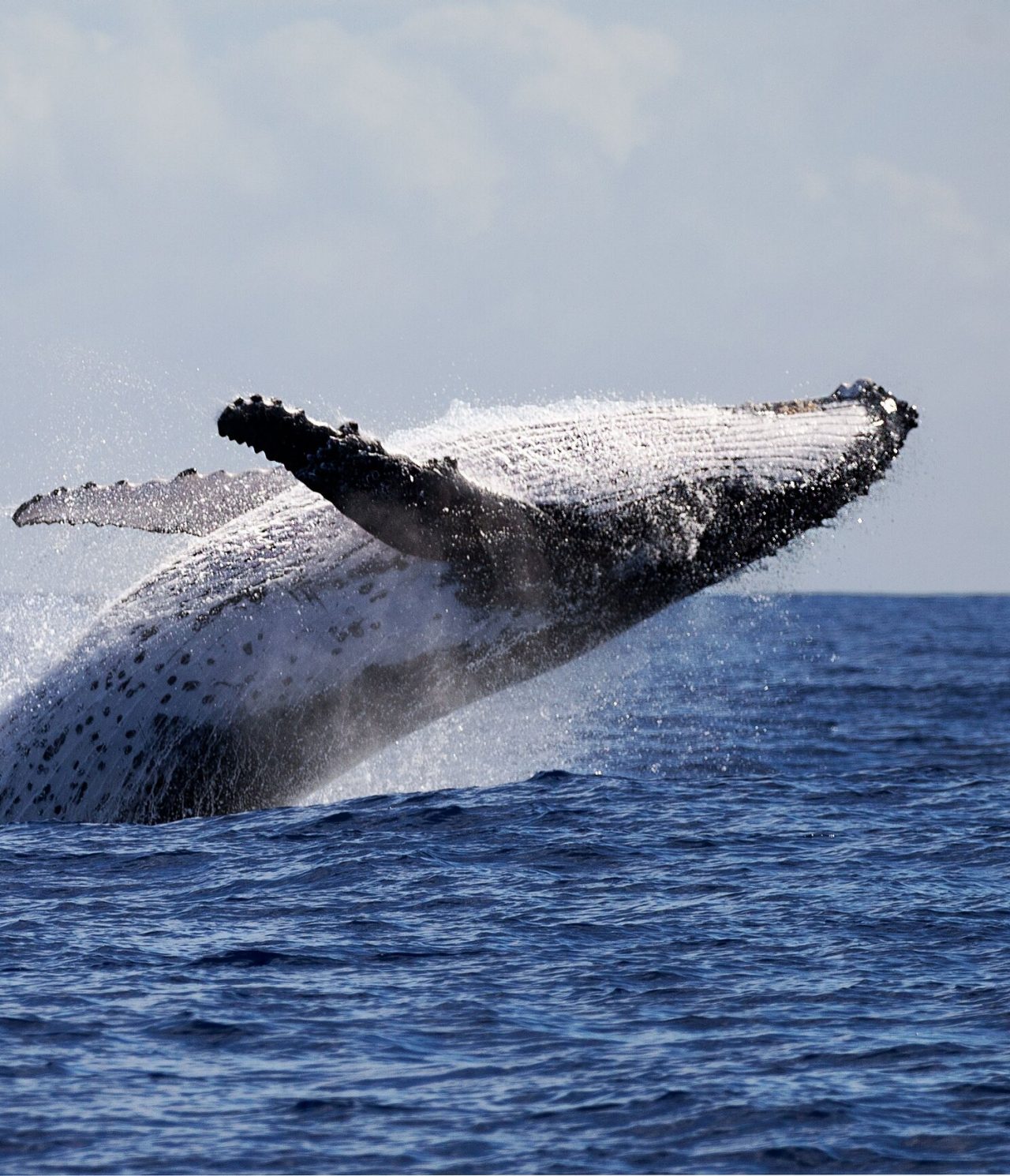
The marine life is equally fascinating, and you will have the opportunity to observe whales and dolphins in their natural habitat, all year round. Each of the nine islands of the Azores has unique and fascinating natural features worth discovering.
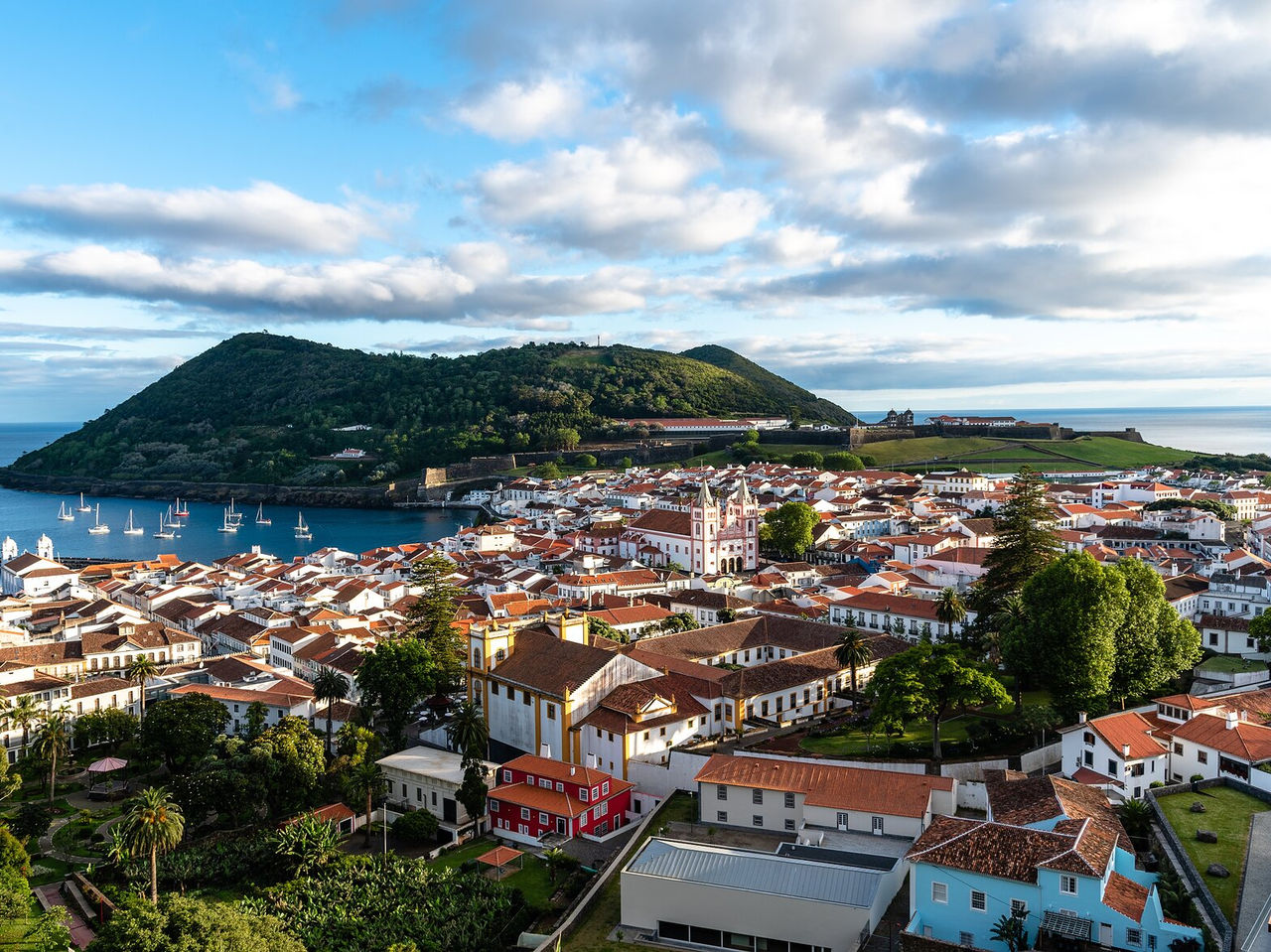
Angra do Heroísmo - UNESCO World Heritage City on Terceira Island
The capital of the island of Terceira bears living witness to the maritime age, where trade and navigation shaped its essence. Designated a UNESCO World Heritage Site, this Atlantic city is a maze of cobbled streets and brightly coloured buildings with extraordinary architecture, imposing walls and fortresses. Discover its rich history reflected in monuments and centuries-old art. Angra do Heroísmo takes you on a journey back in time, where, with each step you become immersed in an era of splendour and discovery.
Where to Stay in the Azores - Pestana Hotels by Volcanic Landscapes and Atlantic Beaches
Our hotels in Azores
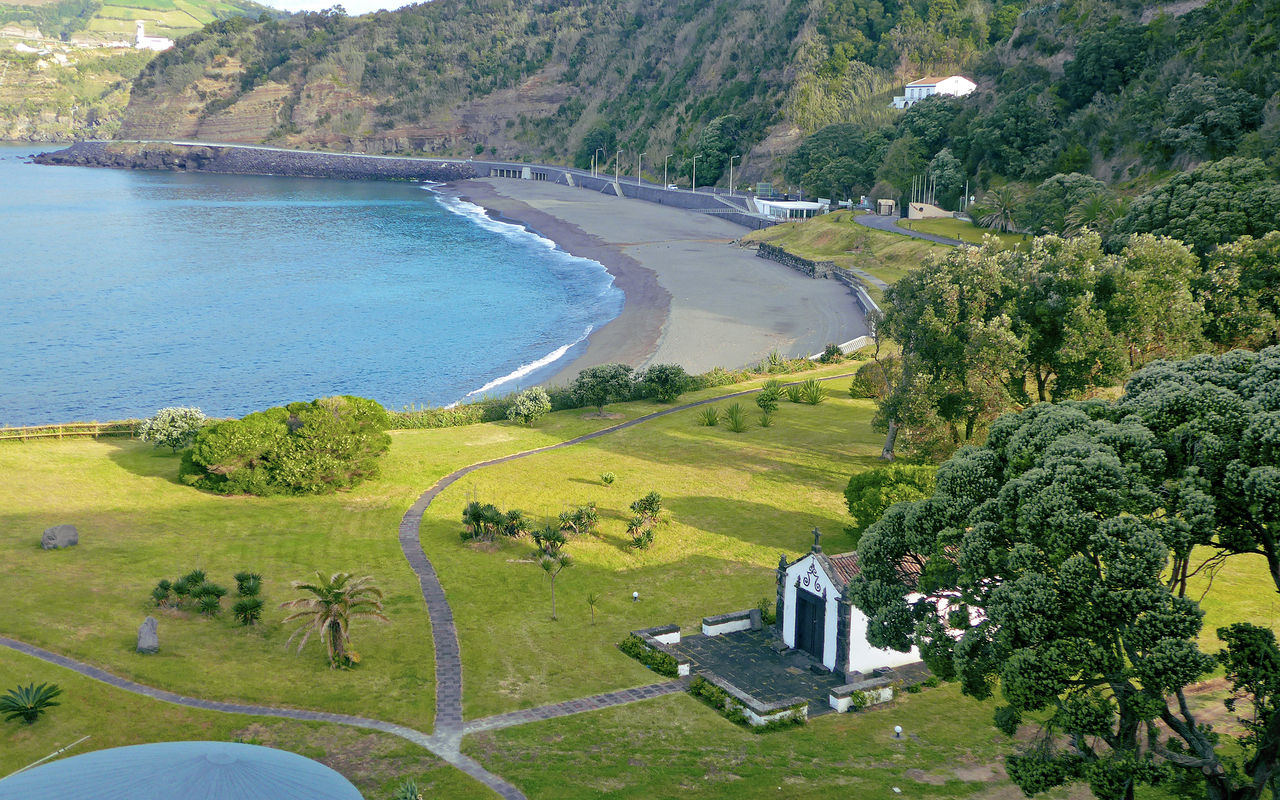
The Azores are a Portuguese archipelago in the North Atlantic, about 1500 km from the mainland, and one of the two Autonomous Regions of Portugal. They are 9 islands of volcanic origin, in three groups: Eastern (São Miguel and Santa Maria), Central (Terceira, Graciosa, São Jorge, Pico and Faial) and Western (Flores and Corvo). They are known for their green nature and volcanic landscape: crater lakes (Sete Cidades and Lagoa do Fogo, in São Miguel), fumaroles and hot springs (Furnas), mountains (Pico is the highest point in Portugal) and dark sand beaches. They are also one of the largest cetacean sanctuaries in the world.
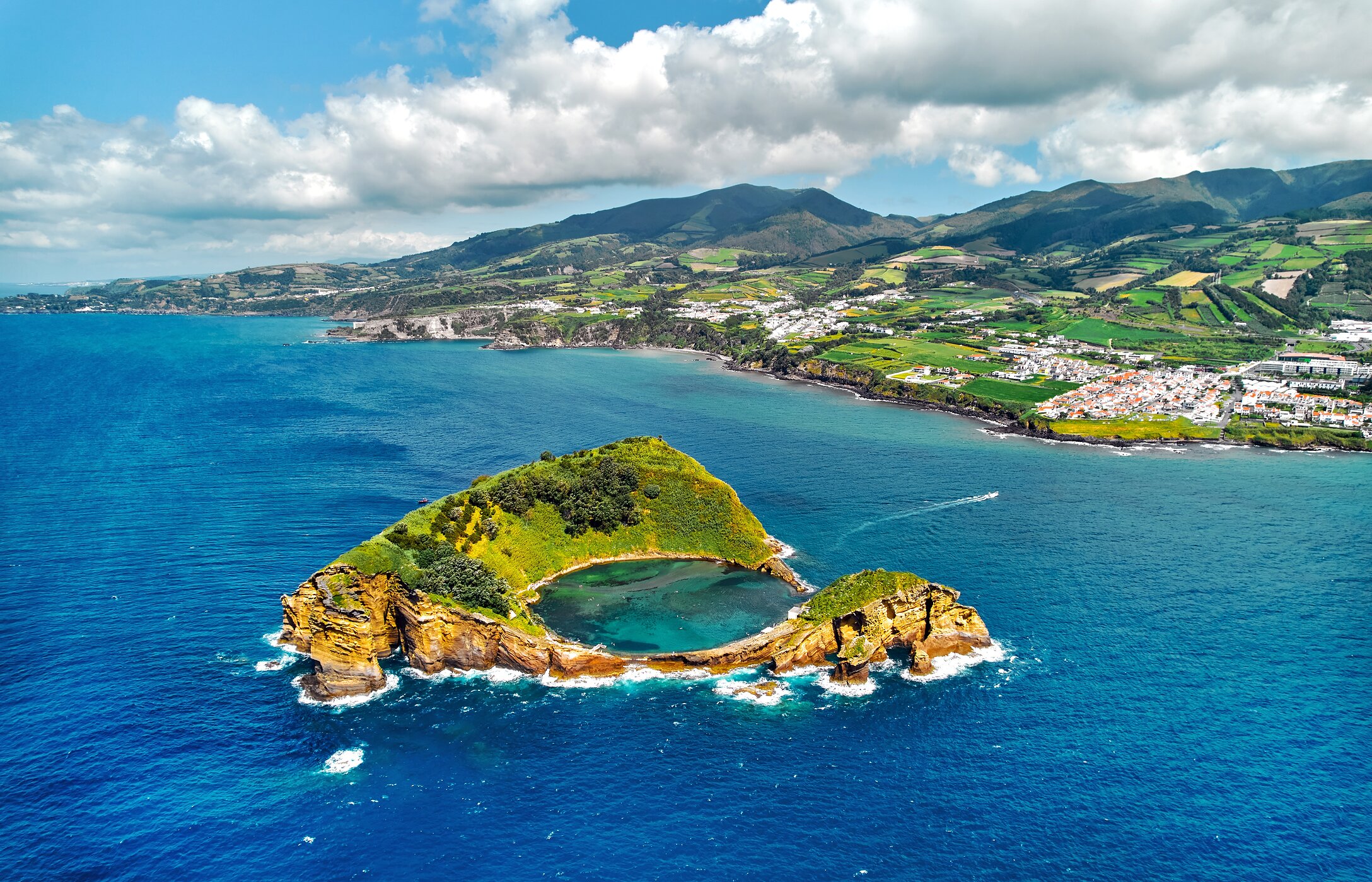
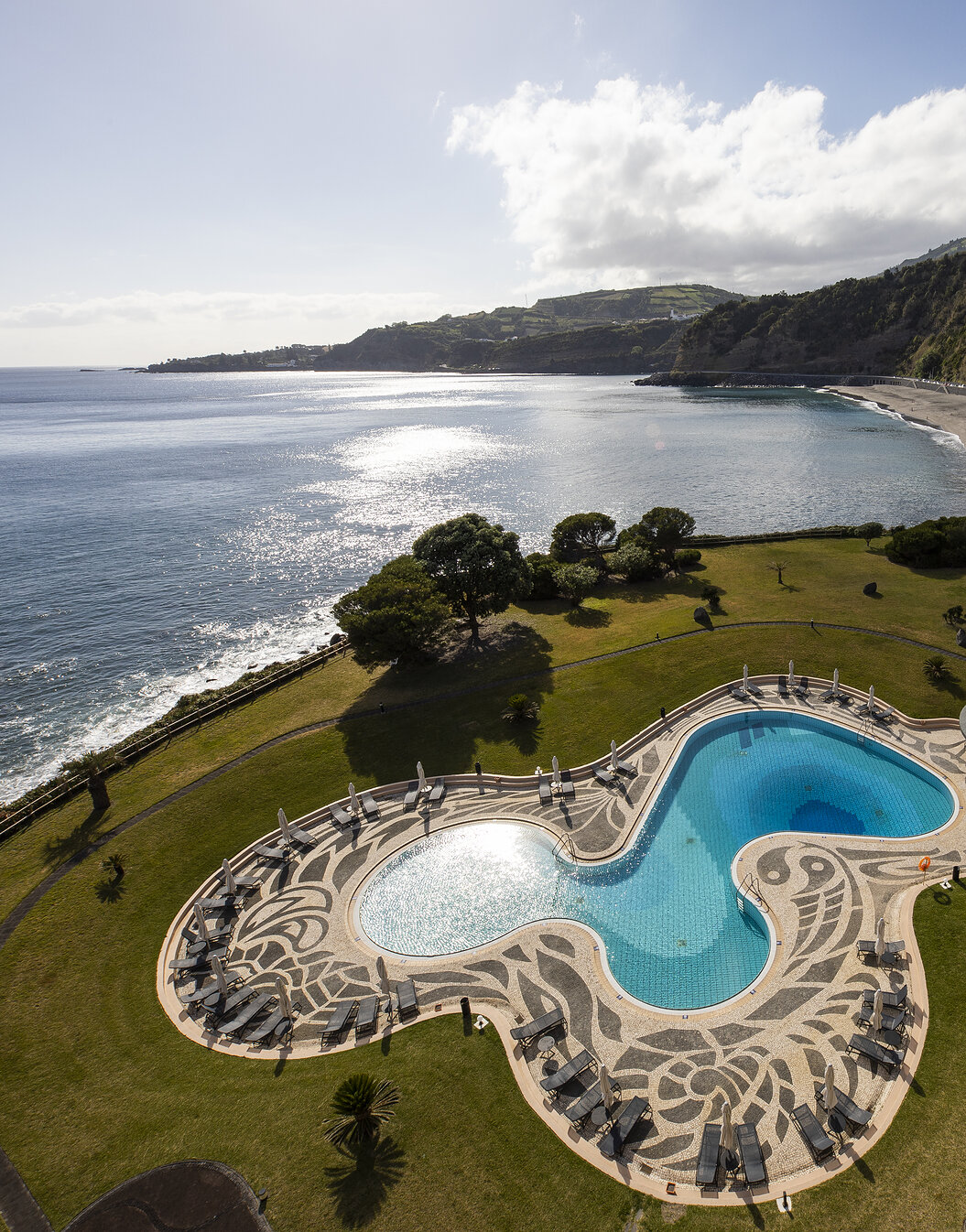
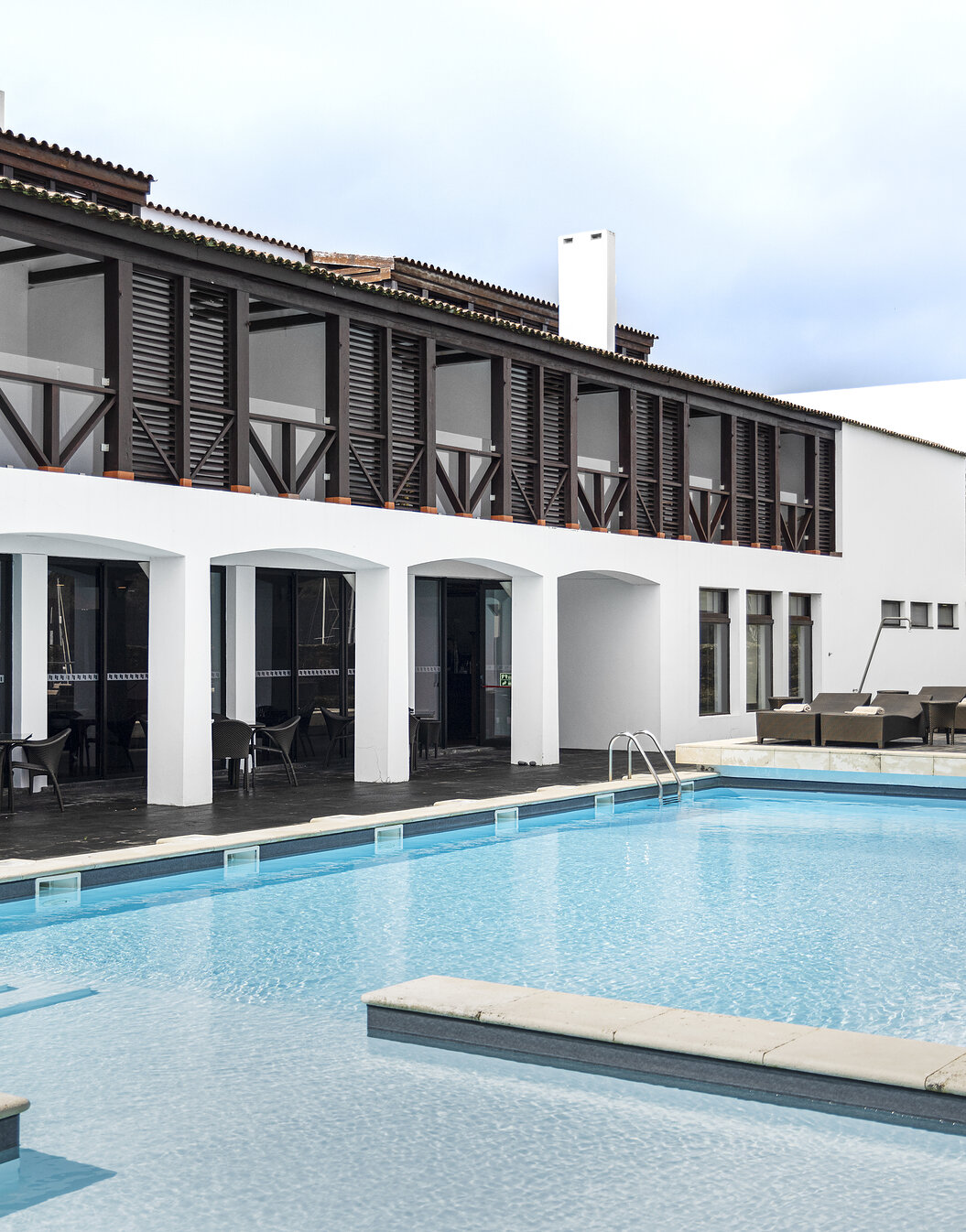
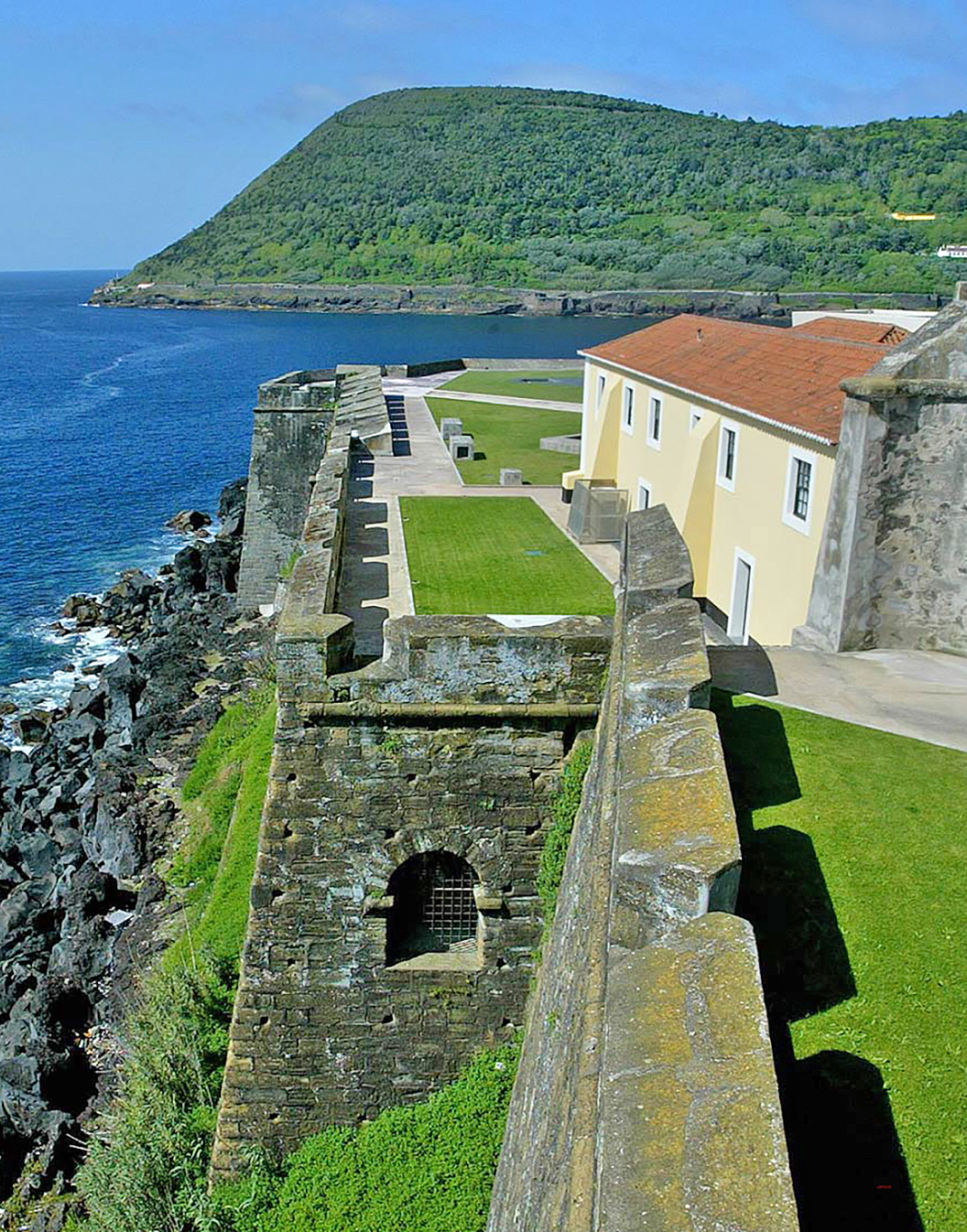
In the Azores, the Pestana Group is present on São Miguel with the Pestana Bahia Praia - Nature & Beach Resort, in Vila Franca do Campo, on the seafront with direct access to the beach of Baía de Água d'Alto (outdoor pool, tennis, spa and Azorean cuisine). It also operates two Pousadas de Portugal in the archipelago, in 16th-century forts: the Pousada Forte da Horta (Faial Island, next to Horta, overlooking Pico and the Marina) and the Pousada Forte Angra do Heroísmo (Terceira Island, in the São Sebastião Fort, in the historic center of Angra, a UNESCO World Heritage Site).
Generally speaking, the months of May to October offer the most stable and mild weather, and are also the best time for whale and dolphin watching and hiking. Summer is the time for most of the traditional festivals and celebrations. Autumn and winter, which are calmer, are ideal for the natural hot springs and thermal pools, especially in Furnas. Due to its Atlantic location, the weather changes rapidly and can vary greatly in a single day, so it is advisable to bring adaptable and waterproof clothing.
The main gateway is João Paulo II Airport in Ponta Delgada (PDL), on São Miguel Island, with flights from mainland Portugal (Lisbon and Porto), European cities, and the USA. Other islands, such as Terceira (Lajes) and Faial (Horta), also have air connections. Within the archipelago, travel between islands is mainly by air (SATA Air Açores, which connects all nine islands) and by sea (Atlânticoline ferries). The Pestana Bahia Praia hotel is about 20 km from Ponta Delgada airport.
In São Miguel, the "Green Island," the Sete Cidades Lagoon (blue and green lagoons in a crater) and the Fogo Lagoon, and the Furnas Valley, famous for its fumaroles, thermal springs, and the stew cooked in the volcanic heat of the ground. Throughout the archipelago, whale watching is one of the most sought-after experiences (Pico offers some of the best conditions). Also worth a visit are the historic centre of Angra do Heroísmo, on Terceira, and both the Capelinhos Volcano and the Caldeira, on Faial.
On each island, the most practical option is a rental car, which gives you the freedom to reach lagoons, viewpoints, and trails; there are also taxis, transfers, and excursions. To travel between islands, the options are domestic flights with SATA Air Açores (which connect all nine islands, the fastest for long distances) and Atlânticoline ferries, particularly useful and frequent in the summer between nearby islands, such as those in the Central Group (Faial, Pico, and São Jorge).